Pape Thiare, Agent joueur FIFA
Accompagner chaque joueur dans le développement de ses compétences, en lui offrant un suivi personnalisé pour maximiser sa performance sur le terrain.
Mettre en relation les joueurs avec les meilleures opportunités de carrières, qu’il s’agisse de transferts, de contrats ou de partenariats stratégiques.
Gérer tous les aspects de la carrière d’un joueur, de la négociation de contrats à l'image publique, pour garantir une progression stable et durable.
Fort de nos racines sénégalaises et de notre expérience en Europe, nous avons pour ambition de créer un pont entre les talents africains, notamment ceux d’Afrique de l’Ouest, et les structures professionnelles européennes et mondiales. Nous nous engageons à repérer, former et accompagner de jeunes joueurs prometteurs, en leur offrant des opportunités qui correspondent à leurs ambitions. Nous valorisons l’expertise et la réputation de nos partenaires pour offrir à ces talents une carrière à la hauteur de leur potentiel.
Notre approche repose sur la création de partenariats stratégiques entre les structures africaines et européennes. En identifiant les talents à fort potentiel, nous contribuons au développement des parcours professionnels des joueurs tout en renforçant la visibilité et la crédibilité des acteurs impliqués. Notre objectif est de bâtir un réseau solide qui favorise l’échange et l’ouverture des talents vers des opportunités internationales, tout en valorisant la diversité culturelle et la formation des jeunes joueurs.
Enfin, nous visons à offrir un accompagnement global en mutualisant les compétences, les réseaux et les ressources des différents partenaires. Cela permet d’optimiser le processus de transfert, de formation et d’accompagnement des joueurs, en facilitant leur intégration dans des clubs européens ou mondiaux. Notre mission est de garantir à chaque joueur un suivi personnalisé, et de participer activement à l’essor de leur carrière tout en soutenant la croissance des structures partenaires sur les marchés africains, européens et mondiaux.

Vous êtes un joueur talentueux, passionné et ambitieux, à la recherche d'une opportunité pour faire évoluer votre carrière professionnelle ? Nous serions ravis de discuter avec vous et de vous offrir la chance de rejoindre notre équipe. N'hésitez pas à nous contacter pour explorer les possibilités qui s'offrent à vous !
Nous proposons un service dédié aux clubs à la recherche de nouveaux talents pour renforcer leurs effectifs. Grâce à notre réseau et à notre expertise, nous vous aidons à identifier des joueurs prometteurs, capables d’élever le niveau de votre équipe. Que vous cherchiez des talents locaux ou internationaux, nous vous mettons en relation avec des joueurs adaptés à vos besoins et à votre vision de développement. Contactez-nous dès aujourd'hui pour découvrir comment nous pouvons vous accompagner dans la recherche des meilleurs profils !
Il n’y a pas de secret, personne ne placerait un gardien de but en attaque ou un ailier à la place du gardien. Chacun est plus performant dans son domaine. L’art de la valorisation de l’image ou celui de la négociation ne s’improvise pas. De même, les conditions juridiques qui résultent d’un contrat sont engageantes dans chacune des clauses et toutes doivent être analysés et négociés pour que vous soyez dans les meilleures conditions.

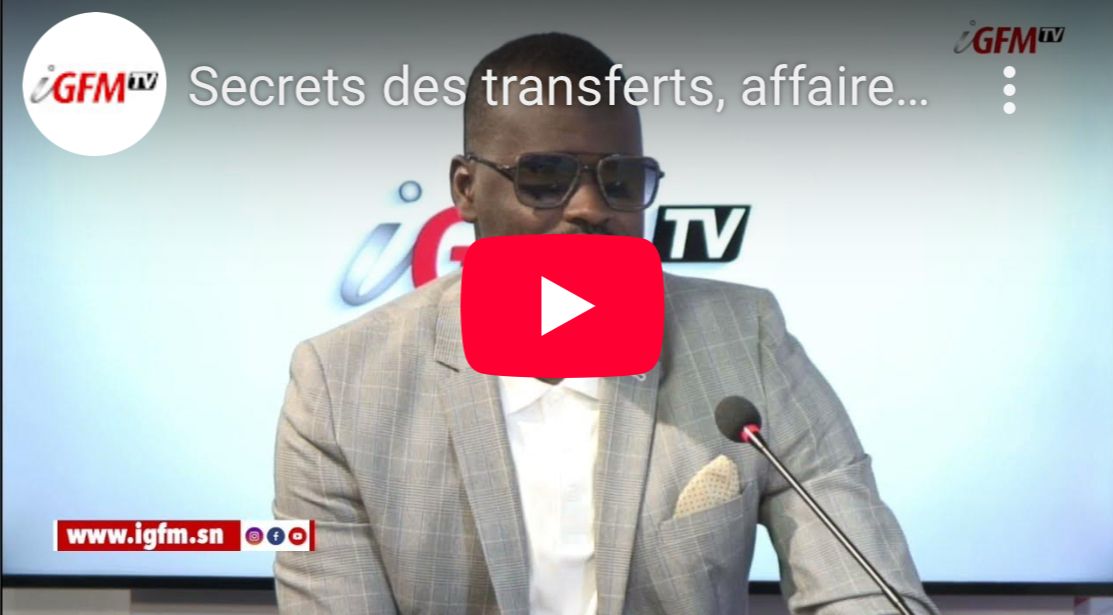
J’ai eu le privilège d’échanger avec IGFM lors de ma tournée au Sénégal, où nous avons abordé la détection des jeunes talents et les nombreuses opportunités offertes aux futurs champions du football. Ce fut une discussion enrichissante sur l’importance de l’accompagnement et du développement des joueurs, afin de les guider vers le plus haut niveau et maximiser leur potentiel. Cette conversation reflète pleinement notre vision et notre métier : repérer, former et soutenir les talents tout au long de leur parcours vers l’excellence.
Nous vous invitons à regarder cette interview passionnante pour mieux comprendre notre approche et notre engagement envers les talents du football.

Pourvu d’un réseau Européen fiable, il nous est possible d’assurer le placement et le transfert de joueurs vers des championnats prestigieux. Recherche, analyse des objectifs clubs et effectif avant soumission. Un travail en amont du marché des transferts est nécessaire.
Expert dans la négociation des contrats de travail, publicitaires et de sponsoring, chaque nouveau projet est soumis à l’approbation de nos spécialistes et de notre service juridique. L’évaluation, l’étude et la validation de ces derniers est l’une de nos priorités.
Nous nous engageons à établir pour chaque joueur un plan de carrière personnalisé en fonction de ses qualités, de la vision du joueur et de son entourage pour le préparer au mieux avant et après la saison.
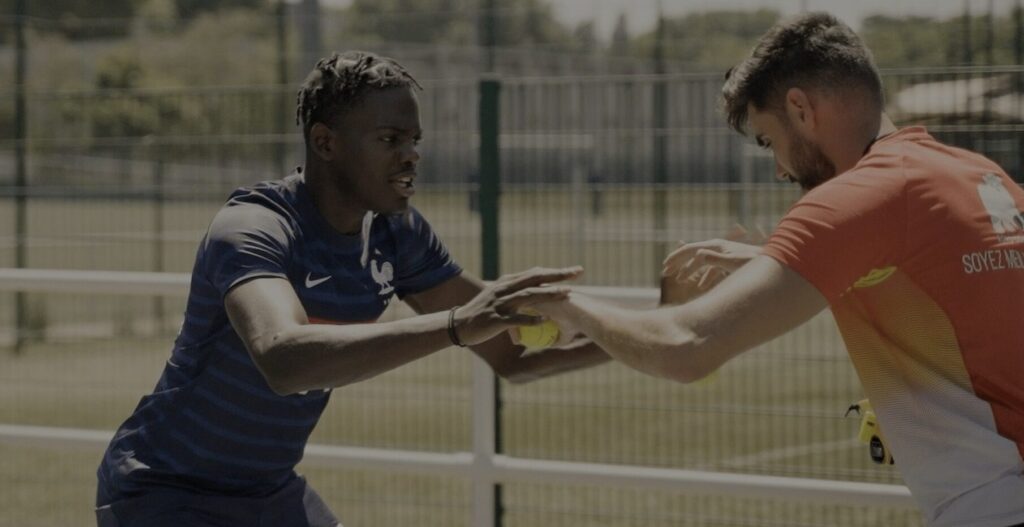
Le très haut niveau exige une préparation physique et psychologique capable d’affronter les situations les plus difficiles. Selon les besoins, le Cabinet met à disposition des coachs spécialisés dans ces deux domaines avec comme mission l’optimisation des performances du sportif afin d’approcher au plus près l’excellence.

Recherche et négociation des contrats de sponsoring | Média, presse et e-presse | Montages vidéos (séquences de matchs) et du CV du joueur | Gestion de l’image. (Facebook, Youtube, Instagram, Snapchat etc.) Véritable attaché de presse, nous manageons votre image et votre carrière.

Présence au besoin de nos avocats pour garantir vos droits et vous protéger tout au long de votre carrière, réaliser et vérifier les contrats de travail, de sponsoring et d’image, optimiser votre fiscalité et vos déclarations d’impôts et vous conseiller sur vos investissements immobiliers, financiers et autres.
footballagent@ajasm.com
+44 7411 177725
Brulimar House, Jubilee Rd Manchester, Regno Unito M24 4FW